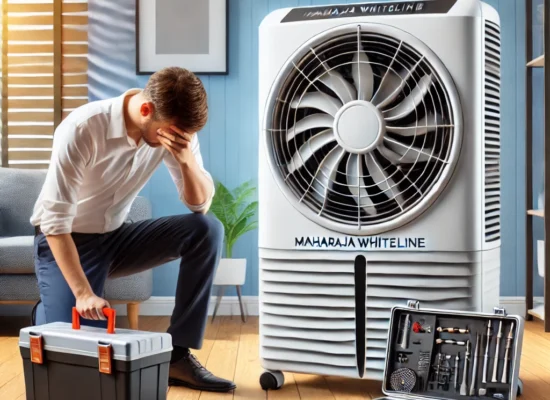
Why Does My Butterfly Air Cooler Have a Bad Smell? Causes and Safe Solutions
A bad smell from your Butterfly air cooler can make a room uncomfortable, especially when the odour travels through the airflow. The smell may be associated with old water, accumulated dirt, damp cooling pads or residue inside the cooler. However, the odour alone cannot identify the exact cause.
In many cases, you can start with basic cleaning. Switch off and unplug the cooler, drain the old water, and clean the accessible water tank and removable components according to the instructions for your specific model. If the smell resembles burning plastic or overheated electrical components, stop using the cooler and arrange a professional inspection instead of attempting to clean or repair it.
Why Does a Butterfly Air Cooler Smell Bad?
The source of an unpleasant smell depends on the type of odour, the cooler’s condition and how it has been used.
1. Stagnant Water in the Tank
Water left standing in the tank for an extended period can develop an unpleasant stale smell, particularly when dirt or other residue accumulates.
What you can do:
- Switch off and unplug the cooler.
- Drain the old water.
- Clean the accessible tank surfaces using a method permitted by the manufacturer.
- Rinse away all cleaning residue.
- Refill the tank with fresh, clean water when the cooler is ready for use.
Avoid leaving unused water in the cooler for long periods. Follow the manufacturer’s instructions for draining and storage.
2. Dirty or Damp Cooling Pads
Cooling pads remain wet during normal operation. Over time, they may accumulate dust, deposits and other residue. If the pads stay damp during storage or become heavily soiled, they may contribute to a musty smell.
What you can do:
- Switch off and unplug the cooler before accessing any components.
- Check the cooling pads for visible dirt, deposits or deterioration.
- Clean removable pads only if the manufacturer’s instructions permit it.
- Rinse them appropriately and allow them to drain.
- Replace damaged or persistently contaminated pads only when the model’s requirements and their condition justify replacement.
Do not pull apart fixed components or force access panels open. The construction and removal procedure can differ between models.
3. Dirt and Residue Inside the Cooler
Dust and residue can collect around accessible surfaces, vents and water-contact areas. When moisture combines with accumulated dirt, unpleasant odours may develop.
What you can do:
Clean accessible surfaces with a soft cloth or sponge and an appropriate cleaning method. Avoid allowing water to enter electrical compartments, switches, motors or other components that must remain dry.
If dirt or residue is trapped inside an inaccessible section, arrange suitable servicing rather than disassembling the cooler yourself.
4. Mineral Deposits from Water
Hard water can leave mineral deposits on water-contact surfaces. These deposits may interfere with cleaning and water circulation, although mineral scale alone does not establish the cause of a bad smell.
If you notice white or chalky residue, clean the affected accessible surfaces according to the manufacturer’s instructions. Do not use an unapproved descaler or chemical mixture.
Using clean water and removing visible deposits appropriately can help maintain the cooler.
5. A Problem That Is Not Caused by Routine Dirt
Sometimes, the smell continues even after basic cleaning. The cause may involve inaccessible residue, deteriorated components or another operating problem.
If the cooler continues to smell bad after appropriate cleaning and drying, stop assuming that more cleaning will solve the problem. Have the appliance inspected to determine what is actually causing the odour.
How to Remove a Bad Smell from a Butterfly Air Cooler Safely
Follow this general cleaning sequence only where it is compatible with your cooler’s instructions.
Step 1: Switch Off and Unplug the Cooler
Turn off the appliance and disconnect it from the electrical supply before cleaning. Never clean the interior while the cooler is connected to power.
If you notice a burning smell, visible electrical damage or signs of overheating, do not proceed with routine cleaning as though the problem were ordinary dirt.
Step 2: Drain the Old Water
Empty the water tank using the drainage method provided for your model. Avoid tipping or moving a heavy cooler in a way that could cause injury, leakage or damage.
Step 3: Clean the Accessible Water Tank
Use a soft cloth or sponge to remove visible dirt and residue from accessible tank surfaces. If a cleaning agent is needed, use one only when it is compatible with the tank material and permitted by the manufacturer.
Rinse thoroughly so that no cleaning residue remains.
Step 4: Inspect the Cooling Pads
Look for visible dirt, unusual deposits or signs of deterioration. If the pads are removable and washable according to the manual, clean them using the prescribed method.
Do not assume that every Butterfly air cooler uses the same cooling-pad material or removal procedure.
Step 5: Check Other Accessible Surfaces
Remove loose dust from the exterior and accessible vents with a suitable cloth. Do not insert tools into the fan assembly or reach into internal moving parts.
Keep water away from electrical components and do not open electrical compartments.
Step 6: Allow the Cleaned Components to Drain and Dry
Allow accessible components to drain and dry appropriately before storing or reassembling the cooler, as directed by the manual.
Do not run the cooler with panels or components removed. Reassemble it correctly before normal operation.
Step 7: Refill and Observe
Once the cooler is properly reassembled and ready for use, refill it with fresh water according to the manufacturer’s instructions.
If the musty smell persists or returns quickly, arrange an inspection instead of repeatedly applying cleaning products.
What Type of Smell Is Coming from Your Air Cooler?
Identifying the type of smell can help you choose the appropriate next step. It cannot, by itself, confirm a diagnosis.
Type of smell | Possible explanation | Recommended action |
Stale-water smell | Old water or residue in the tank | Drain and clean the accessible tank |
Musty or damp smell | Damp pads, accumulated dirt or inaccessible residue | Inspect and clean permitted components |
Smell accompanied by visible deposits | Dirt or mineral buildup | Clean accessible surfaces according to the manual |
Persistent smell after cleaning | Remaining residue, deteriorated parts or another fault | Arrange an inspection |
Burning plastic or electrical smell | Possible overheating or an electrical or mechanical fault | Stop using the cooler and seek professional assistance |
A burning smell should not be treated as an ordinary maintenance issue. Do not continue operating the appliance to see whether the smell disappears.
What Should You Avoid When Cleaning a Butterfly Air Cooler?
Some shortcuts can create additional problems rather than removing the smell.
- Do not add perfume or fragrance oils to the tank. These substances are not substitutes for cleaning and may leave residue.
- Do not mix cleaning chemicals. Mixing products can produce hazardous reactions.
- Do not use bleach, disinfectants, descalers or other chemicals in the water system unless explicitly permitted by the applicable manufacturer’s instructions.
- Do not spray water into electrical compartments.
- Do not open the motor, pump wiring, switches or other electrical components.
- Do not bypass protective devices or operate the cooler with parts removed.
- Do not replace cooling pads solely because of an arbitrary age or calendar interval. Use their condition and the manufacturer’s guidance.
When the correct cleaning method is uncertain, consult the instructions for your exact Butterfly model.
How to Prevent Bad Smells from Returning
A simple maintenance routine can reduce the likelihood of unpleasant odours.
Use Fresh Water
Avoid leaving unused water in the tank for extended periods. Drain and refresh the water as appropriate for your usage and the manufacturer’s recommendations.
Keep the Tank Clean
Remove visible dirt and residue before they accumulate. Clean the tank at intervals appropriate to the amount of use, water quality and surrounding dust.
Maintain the Cooling Pads
Inspect the pads periodically. Clean or replace them only as appropriate for their design, condition and manufacturer instructions.
Dry the Cooler Before Extended Storage
If you will not use the cooler for a prolonged period, drain the water and clean accessible components. Allow them to dry as directed before storing the appliance.
Follow Model-Specific Instructions
Butterfly sells different air-cooler models and capacities. Do not assume that a cleaning method, chemical, replacement part or maintenance interval suitable for one model is suitable for every other model.
For product-specific guidance, consult the official Butterfly air-cooler range and obtain the instructions applicable to your model.
When Should You Seek Professional Air Cooler Inspection?
Arrange an appropriate inspection when:
- The smell persists despite correct cleaning.
- The odour returns shortly after cleaning.
- The cooler has unusual noise, vibration or abnormal operation.
- Water leakage continues after basic checks.
- Water circulation or cooling performance remains abnormal.
- The smell resembles burning plastic or overheated electrical components.
- The problem requires opening inaccessible or electrical components.
For a burning smell, visible electrical damage or signs of overheating, stop using the cooler immediately. Do not attempt internal electrical repairs yourself.
Frequently Asked Questions
Why does my Butterfly air cooler smell bad when I switch it on?
A stale or musty smell may come from old water, residue, damp cooling pads or dirt inside the cooler. If the smell is burning or electrical, stop using the appliance and arrange an inspection.
How can I remove a musty smell from my Butterfly air cooler?
Switch off and unplug the cooler, drain the old water, and clean the accessible tank and permitted removable components according to the manual. Allow components to drain and dry appropriately. Persistent odours need further investigation.
Can I put perfume or essential oils in my Butterfly air cooler?
Do not add perfume or essential oils unless the instructions for your exact model explicitly permit them. Fragrance is not a substitute for cleaning and may leave unwanted residue.
Should I replace the cooling pads if my cooler smells bad?
Not automatically. First inspect their condition and follow the model’s cleaning instructions. Replacement may be appropriate if the pads are damaged, deteriorated or remain contaminated, but the cause should be assessed before assuming replacement is necessary.
Why does my air cooler still smell after cleaning?
The smell may come from remaining residue, an inaccessible area, deteriorated pads or another problem. Repeated cleaning with stronger chemicals is not necessarily the answer. Arrange an inspection if appropriate cleaning does not resolve it.
Is a burning smell from an air cooler dangerous?
A burning or electrical smell may indicate overheating or a fault. Switch off and disconnect the appliance if you can do so safely, do not operate it again, and arrange professional inspection.
Can I use vinegar or bleach to clean the water tank?
Do not use vinegar, bleach or any other chemical unless the instructions for your particular model explicitly allow it. Never mix cleaning products. Use an approved method and rinse as directed.
How often should I clean my Butterfly air cooler?
There is no single interval that can be guaranteed for every model and household. Cleaning frequency depends on usage, dust, water quality, the condition of the pads and the manufacturer’s recommendations. Clean when needed and follow the model-specific instructions.
Conclusion
A bad smell from a Butterfly air cooler may be related to stagnant water, dirty cooling pads, accumulated residue or another problem. Start by disconnecting the power and cleaning the accessible parts using a method approved for your model.
Avoid unapproved chemicals and internal electrical repairs. If the smell persists after appropriate cleaning, arrange an inspection. If you notice a burning or electrical smell, stop using the cooler rather than treating it as a routine cleaning problem.
Need help with a persistent air-cooler odour in Hyderabad? Contact Aircooler Clinic to ask whether doorstep inspection or maintenance is available for your location and Butterfly model.
- Phone: 7997100067
- Email: aircoolerclinic@gmail.com
- Contact page: https://aircoolerclinic.in/contact-us/
Aircooler Clinic operates as a unit of FIXNEARME and provides doorstep air-cooler services in applicable service areas. Confirm availability for your location and service requirement before booking.