How to Maintain Your Air Cooler in Good Condition
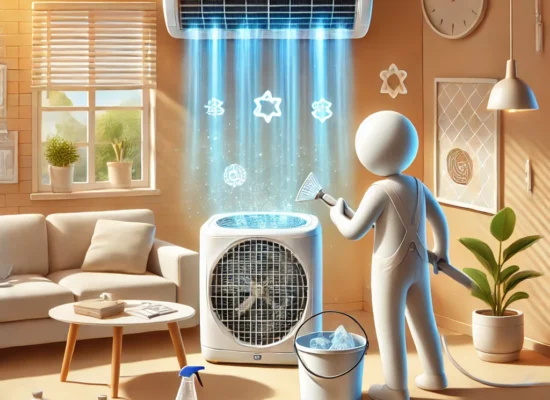
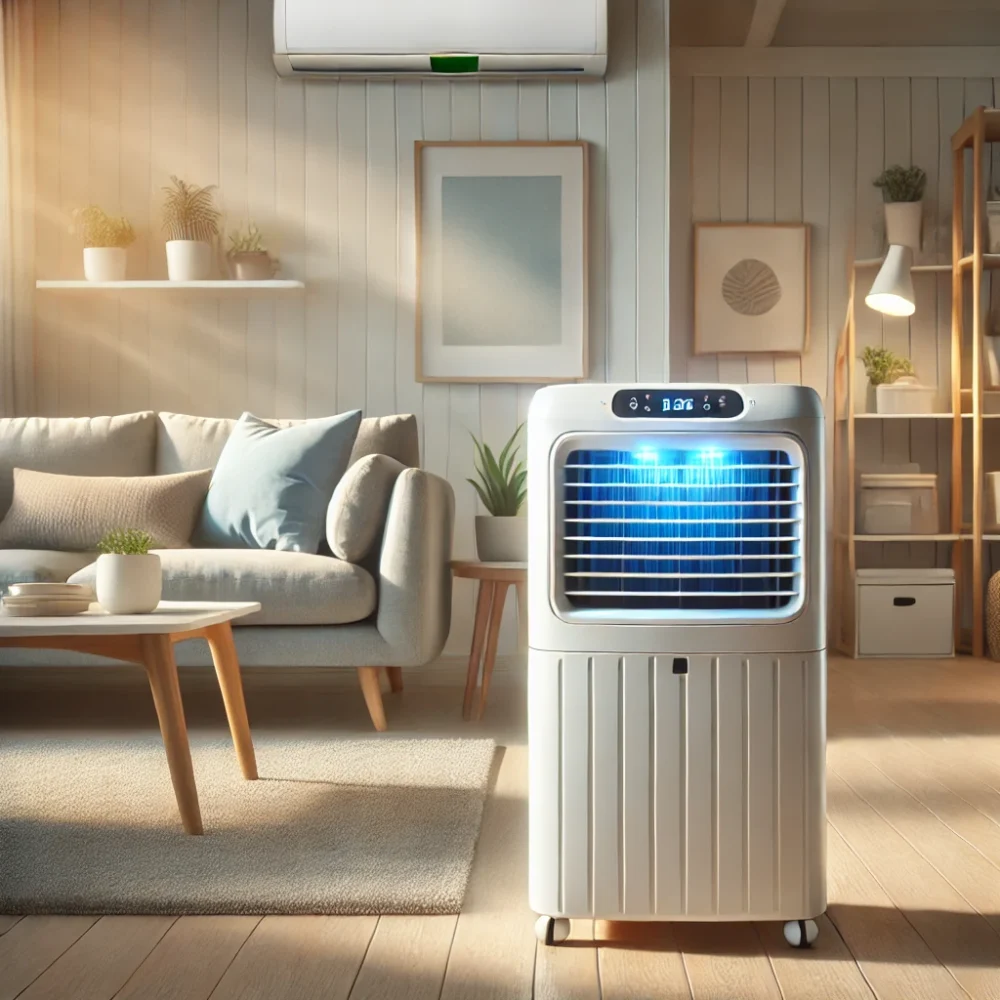
An air cooler works best when its water tank, cooling pads, airflow and accessible components receive regular attention. Dust, mineral deposits, stagnant water and restricted ventilation can affect cooling performance and may contribute to unpleasant smells or other operating problems.
To maintain your air cooler, inspect it regularly, clean the water tank and cooling pads according to the manufacturer’s instructions, keep air passages unobstructed, replace dirty water, and drain and dry the unit before long-term storage. Always disconnect the power before cleaning, and leave electrical and internal mechanical repairs to a qualified professional.
Air Cooler Maintenance Checklist
Use this checklist to keep track of the main areas that need attention.
Component | What to check |
Water tank | Dirt, sediment, deposits and stagnant water |
Cooling pads | Dust, mineral buildup, damage and uneven wetting |
Water distribution | Whether water reaches the pads properly |
Pump | Water circulation, visible blockage and unusual noise |
Fan and vents | Dust, obstructions and visible damage |
Exterior | Dirt, physical damage and accessible openings |
Water leakage | Visible water around the tank, drain and accessible connections |
Ventilation | Adequate fresh-air movement through the room |
Seasonal storage | Water drained, accessible components cleaned and unit dried |
The appropriate maintenance routine depends on the cooler model, frequency of use, water quality, surrounding dust and the manufacturer’s instructions.
1. Clean the Water Tank Regularly
The water tank can accumulate dirt, sediment and mineral deposits during regular use. Stagnant or contaminated water may also contribute to unpleasant odours.
To maintain the tank:
- Switch off the cooler and unplug it from the electrical supply.
- Drain the remaining water using the method specified by the manufacturer.
- Wipe accessible tank surfaces with a suitable soft cloth or sponge.
- Use a cleaning product only if the manufacturer’s instructions permit it.
- Rinse where required and remove any cleaning residue before reuse.
Inspect the tank more frequently if you notice visible deposits, residue or a persistent smell. If your water supply contains substantial minerals, scaling may develop more quickly.
Do not pour water into electrical compartments or spray cleaning solutions near switches, wiring or the motor.
2. Inspect and Clean the Cooling Pads
Cooling pads hold water while air passes through them. Dirt, mineral deposits and deterioration can interfere with airflow or water distribution.
Look for:
- Heavy dust or dirt accumulation.
- Thick mineral deposits.
- Cracked, brittle or deteriorated material.
- Sagging or poor fitting.
- Areas that remain unusually dry during normal operation.
- Persistent unpleasant odours.
If the pads are designed to be washable, clean them according to the owner’s manual. Use only a cleaning method suitable for the particular pad material. Avoid aggressive scrubbing, high-pressure water or unapproved chemicals that could damage the pads.
Replace pads when they are damaged, badly deteriorated, persistently clogged or no longer perform adequately after appropriate cleaning. Replacement intervals vary by model, pad material, usage and water quality, so a fixed annual or multi-year schedule should not be applied to every cooler.
For more detailed instructions, read our guide to how to clean an air cooler step by step.
3. Check Water Distribution and Pump Operation
On models equipped with a water pump, the pump circulates water towards the cooling pads. Poor water distribution can reduce evaporative cooling.
Possible warning signs include:
- Pads that remain dry or become unevenly wet.
- Reduced water circulation.
- Unusual pump noise.
- Visible water leakage.
- Persistent cooling problems despite adequate water and clean pads.
Begin with safe external checks. Make sure the water level is appropriate for the model and look for visible obstructions in accessible areas while the cooler is disconnected from power.
Do not open the pump’s electrical components or attempt internal electrical repairs. If the pump does not operate, repeatedly stops, makes unusual sounds or fails to distribute water, arrange a professional inspection.
4. Keep the Fan, Vents and Exterior Clean
Dust can collect on accessible surfaces, vents and airflow openings, restricting the movement of air.
Before cleaning:
- Switch off and unplug the cooler.
- Wait for all moving parts to stop completely.
- Remove loose dust from accessible areas with a soft brush or suitable cloth.
- Wipe the exterior with a slightly damp cloth where appropriate.
- Allow cleaned surfaces to dry before reconnecting the appliance.
Follow the manufacturer’s instructions before removing any grille or panel. Do not force components that do not come out easily, and never put your hands near moving parts while the cooler is powered.
If the cooler continues to vibrate, rattle or produce unusual mechanical noise after routine cleaning, avoid unnecessary disassembly and arrange an inspection.
5. Maintain Proper Ventilation
Evaporative air coolers use water evaporation to cool incoming air. Suitable ventilation helps air move through the room and allows humid air to escape.
For better cooling performance:
- Position the cooler where it can draw fresh air.
- Keep the air outlet unobstructed.
- Provide a suitable opening, such as an appropriately positioned window or door.
- Avoid blocking the cooler with furniture or other objects.
- Adjust the arrangement to suit the room layout and cooler design.
Operating an evaporative cooler in a poorly ventilated room can allow indoor humidity to rise and reduce cooling effectiveness. The ideal setup depends on the room and the manufacturer’s guidance.
6. Use Water Properly
Water quality and handling affect routine air cooler maintenance.
During regular use:
- Check the water level before operating the cooling function.
- Replace dirty or stale water.
- Keep the tank reasonably clean.
- Inspect for visible mineral deposits.
- Drain the tank when the cooler will remain unused for an extended period.
- Follow the manufacturer’s instructions about suitable water and tank filling.
Hard water can leave mineral deposits on the tank, pads and water-distribution components. If scaling recurs, inspect these areas more frequently and follow the manufacturer’s recommended cleaning procedure.
Avoid using vinegar, disinfectants, descaling products or other chemicals unless the instructions permit them for the relevant component.
7. Recognize Common Air Cooler Warning Signs
Routine maintenance helps you notice changes in performance. It does not guarantee that every problem can be corrected by cleaning.
Poor cooling
Possible causes include dirty pads, insufficient water, poor water distribution, restricted airflow, inadequate ventilation or a mechanical fault.
Check the water level, visible pad condition and room ventilation. If the cooler still does not cool properly, further diagnosis may be necessary.
Bad or musty smell
Stagnant water, dirty pads or accumulated deposits can contribute to unpleasant odours.
Drain and clean the tank and inspect accessible components according to the owner’s manual. If the smell persists, stop relying on repeated surface cleaning and arrange further inspection.
Weak airflow
Dusty vents, restricted pads, damaged fan components or mechanical problems may affect airflow.
Clean accessible surfaces and check for obvious obstructions. If airflow remains weak, a professional can investigate possible internal causes.
Water leakage
Check accessible areas around the tank and drain for visible leakage.
If a significant leak reaches electrical components, stop using the cooler and disconnect the power only if it is safe to do so. Do not touch wet electrical connections. Arrange professional assistance if the source cannot be identified safely.
Unusual noise or vibration
Noise can result from dirt accumulation, loose components or mechanical problems. It does not automatically mean the motor has failed.
Stop the cooler if the noise is severe, new or persistent. Do not open the motor or internal mechanical assembly to investigate it yourself.
Electrical warning signs
Stop using the cooler if you notice a burning smell, damaged wiring, electric shock, repeated electrical tripping or signs of overheating. Do not continue testing the appliance or attempt to bypass a protective device. Seek qualified assistance.
8. Follow a Practical Maintenance Schedule
There is no single schedule suitable for every air cooler. Use the manufacturer’s recommendations as your primary reference and adjust inspection frequency to suit actual conditions.
When | Recommended attention |
During regular use | Check the water level, visible leaks, cooling performance and unusual smells or noises |
Periodically during heavy use | Inspect the pads, tank, accessible vents and visible mineral deposits |
When a problem appears | Investigate safe external checks and seek professional diagnosis if necessary |
Before long-term storage | Drain the water, clean accessible components and allow the unit to dry |
Before seasonal reuse | Check for dust, deposits, visible damage and signs of leakage |
Dusty surroundings, frequent use and mineral-rich water may require more frequent attention.
For more specific guidance, see how often you should clean your air cooler.
9. Prepare Your Air Cooler for Off-Season Storage
Leaving an air cooler unused with water inside for a long period can contribute to deposits and unpleasant odours. Appropriate preparation helps keep the appliance ready for future use.
Before storage:
- Switch off and unplug the cooler.
- Drain the water tank completely.
- Clean the tank and accessible components according to the manufacturer’s instructions.
- Inspect the cooling pads and clean them if permitted.
- Allow the cleaned components to dry properly.
- Remove loose dust from accessible exterior surfaces.
- Store the cooler in a clean, dry location.
- Cover the unit appropriately to reduce dust accumulation.
Follow the manufacturer’s storage instructions for components that need special care. Do not dismantle internal electrical or mechanical parts merely to prepare the cooler for storage.
Before using the appliance again, inspect it for visible damage, deposits, leaks and other signs that may require attention.
10. Avoid These Common Maintenance Mistakes
Cleaning while connected to power
Always switch off and disconnect the appliance before routine cleaning. Keep electrical components dry.
Leaving water inside during long-term storage
Drain the tank and clean it before extended periods of non-use.
Replacing pads based on a universal schedule
Pad life varies. Use the manufacturer’s guidance and the actual condition of the pads rather than assuming every cooler needs replacement after a fixed period.
Using unapproved cleaning chemicals
Cleaning methods suitable for a tank may not be suitable for every pad or internal component. Follow model-specific instructions.
Operating without suitable ventilation
Evaporative cooling depends on water evaporation and appropriate air movement. Consider the room’s ventilation when evaluating performance.
Attempting internal electrical repairs
Motor diagnosis, capacitor replacement, wiring repairs and other internal electrical work should be left to a qualified professional unless you have the appropriate training and equipment.
Ignoring persistent symptoms
Repeated leakage, poor cooling, unusual noise, weak airflow or electrical warning signs may indicate a problem that cleaning alone will not resolve.
Frequently Asked Questions
How often should I maintain my air cooler?
Check water level and operating performance regularly during use. Inspect the tank, pads and airflow periodically, and clean components when needed. The appropriate frequency depends on usage, dust exposure, water quality and the manufacturer’s instructions.
How do I clean an air cooler water tank?
Switch off and unplug the appliance, drain the water, and clean accessible tank surfaces using a method approved by the manufacturer. Rinse where required and remove cleaning residue before reuse.
When should I replace air cooler cooling pads?
Consider replacement when pads are damaged, severely deteriorated, persistently clogged or no longer perform adequately after proper cleaning. Follow the manufacturer’s recommendations for your model.
Why is my air cooler not cooling properly?
Possible causes include dirty pads, insufficient water, poor water distribution, restricted airflow, inadequate ventilation or a mechanical problem. Start with safe external checks; seek professional diagnosis if the issue persists.
Why does my air cooler smell bad?
Stagnant water, dirty pads and accumulated deposits can contribute to unpleasant smells. Drain and clean the tank and inspect the pads. Persistent odours may require further inspection.
Does an air cooler need ventilation?
Yes. Evaporative coolers generally need suitable fresh-air movement. An appropriate opening can help air circulate and prevent excessive indoor humidity.
Can I repair an air cooler motor myself?
Internal motor and electrical repairs should be left to a qualified professional unless you have the necessary training and equipment. Disconnecting the power does not make internal electrical repairs risk-free.
What should I do if my air cooler is leaking water?
Stop the appliance if the leak is significant or presents an electrical risk. Inspect only accessible areas when safe, and arrange professional assistance if the cause cannot be identified safely.
How should I store an air cooler after summer?
Drain the tank, clean accessible components, allow them to dry and store the cooler in a clean, dry location. Follow the instructions supplied with your model.
Conclusion
Maintaining an air cooler is mainly about keeping the water tank clean, inspecting the cooling pads, checking water circulation, maintaining airflow and preparing the unit properly for storage.
Use the manufacturer’s instructions for model-specific cleaning and replacement guidance. Do not assume that every cooling problem has the same cause, and avoid opening electrical or mechanical assemblies to perform repairs without appropriate expertise.
If poor cooling, leakage, unusual noise or pump problems continue after safe routine checks, professional diagnosis may help identify the underlying issue.
Need Air Cooler Repair or Maintenance in Hyderabad?
For assistance with an air cooler that needs professional inspection, cleaning or repair, contact Aircooler Clinic to discuss your requirements and confirm doorstep service availability for your location.
- Phone: 79971 00067
- Email: aircoolerclinic@gmail.com
- Contact page: https://aircoolerclinic.in/contact-us/
Aircooler Clinic is a unit of FIXNEARME providing doorstep air cooler services in Hyderabad and applicable service areas. Aircooler Clinic does not operate a separate physical service center.