
Why Does My Symphony Air Cooler Keep Tripping the Power?
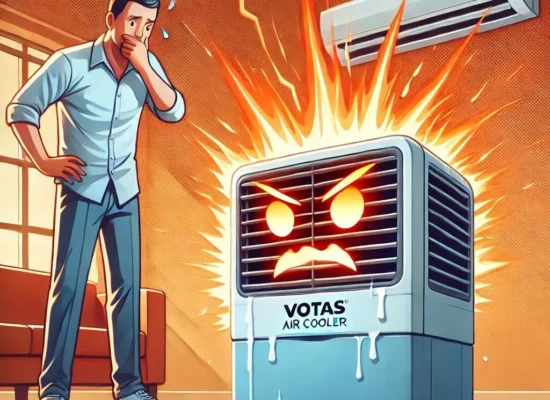
If your Symphony air cooler repeatedly trips the circuit breaker or causes the electrical supply to cut out, stop using it until the cause has been assessed. Repeated electrical tripping can indicate a fault in the cooler, an overloaded circuit, a damaged power connection or another electrical problem.
Possible causes include a motor fault, damaged internal wiring, a capacitor problem, moisture-related electrical damage or a problem with the household electrical installation. However, the symptom alone cannot identify the faulty component.
The safest approach is to stop using the cooler, check for obvious external warning signs without opening the appliance, and arrange an appropriate inspection if the problem persists or an electrical fault is suspected.
Why Does a Symphony Air Cooler Keep Tripping the Power?
A circuit breaker or residual-current protective device may trip when it detects an electrical condition that requires the supply to be disconnected. The cause may be inside the cooler or in the electrical circuit supplying it.
The following are possible causes, not confirmed diagnoses.
1. Household Circuit Overload
If several appliances operate on the same circuit, their combined electrical demand may exceed the circuit’s capacity. This is one possible reason for protective devices to trip.
What you may notice: The circuit trips when the cooler operates alongside other appliances, or the problem occurs when several electrical loads are running.
What to do: Stop using the cooler and have the circuit and its electrical load assessed by a qualified electrician if an overload is suspected. Do not replace a protective device with one of a higher rating or use an extension arrangement to bypass the problem.
2. Damaged Power Cord, Plug or Electrical Connection
A damaged cable, deteriorated plug or faulty socket can create an electrical hazard. Repeated tripping may be accompanied by a burning smell, discolouration, unusual buzzing or visible damage.
What you may notice: The plug or cord appears damaged, a socket shows burn marks, or there is an unusual electrical smell or sound.
What to do: Stop using the appliance. If it is safe to do so, disconnect it without touching damaged or hot components. Do not operate it again until the suspected fault has been assessed by a qualified professional.
Do not repair a damaged power cord with insulating tape or attempt to open a plug or socket unless you are appropriately qualified.
3. Motor Fault or Overheating
An air cooler’s fan motor may develop a fault because of wear, mechanical resistance, electrical damage or another underlying problem. A motor fault is one possible explanation for repeated tripping, but it cannot be confirmed from the symptom alone.
What you may notice: The cooler stops unexpectedly, produces unusual humming or mechanical noise, or appears to overheat before the power trips.
What to do: Switch off the cooler and arrange professional inspection. Do not open the motor compartment, dismantle the motor or attempt to test its electrical connections yourself.
4. Faulty Capacitor
Some air cooler motors use a capacitor as part of their electrical operating system. A defective capacitor may contribute to starting or running problems, depending on the model and motor design.
What you may notice: The fan struggles to start, the motor hums without operating normally, or the cooler develops an intermittent operating problem.
These symptoms are not proof of capacitor failure. Other electrical or mechanical faults can produce similar behaviour.
What to do: Have the relevant components inspected by a qualified technician. Capacitors can retain an electrical charge, so do not open the appliance or attempt capacitor testing or replacement as a DIY repair.
5. Internal Wiring Fault or Moisture-Related Damage
A damaged internal connection, deteriorated insulation or moisture reaching an electrical component may cause a fault. Air coolers combine water-related functions with electrical equipment, so suspected electrical damage requires particular caution.
What you may notice: The cooler trips after water leakage, has visible damage, produces an electrical smell or behaves abnormally after cleaning or exposure to water.
What to do: Stop using the cooler. Do not open electrical compartments, touch wet electrical parts or attempt to dry internal electrical components while the appliance is connected to power. Arrange a suitable inspection.
6. Faulty Socket or Household Electrical Installation
The problem may originate outside the cooler. A defective socket, wiring fault, protective-device issue or another problem in the household installation may also cause the electrical supply to trip.
What you may notice: Other electrical equipment is affected, the socket shows visible damage, or the protective device continues to trip even when the cooler is no longer operating.
What to do: Do not repeatedly test the appliance in different sockets. Ask a qualified electrician to investigate the household electrical installation when the supply or circuit is suspected to be at fault.
How to Respond Safely When Your Air Cooler Trips the Power
Follow these precautions rather than attempting internal electrical repairs.
- Stop using the cooler. Switch it off if you can do so safely. If there is smoke, sparking, a burning smell or a hot or damaged socket, keep away from the affected equipment.
- Disconnect power only if safe. Do not touch a wet plug, damaged cable, hot socket or exposed electrical part. If safe disconnection is not possible, leave the equipment alone and seek appropriate assistance.
- Do not repeatedly reset the breaker. A protective device that trips repeatedly needs investigation. Do not bypass it or replace it with a higher-rated device.
- Check only visible external conditions. Once the appliance is safely disconnected, look for obvious external damage, water leakage or visible damage to the cord and plug. Do not remove panels or inspect internal wiring.
- Record what happened. Note whether the cooler tripped the power immediately when switched on or after running for a while. Record any unusual smell, sound, leakage or recent cleaning.
- Arrange the appropriate inspection. An appliance technician may need to assess the cooler, while a qualified electrician may need to investigate the household circuit. The correct professional depends on the symptoms and findings.
For additional safety information, see Electrical Safety First’s guidance on plugs and fuses.
What Does the Timing of the Power Trip Tell You?
The timing can help describe the fault, but it cannot confirm the cause.
When the power trips | Possible explanations | Appropriate next step |
Immediately when the cooler is switched on | An electrical fault, starting-related fault or circuit problem | Stop using it and arrange an inspection |
After the cooler has been running for some time | A developing fault, overheating or a circuit-related issue | Stop use and report when the trip occurs |
After water leakage or cleaning | Possible moisture-related damage or another electrical problem | Keep the appliance disconnected and seek inspection |
When several appliances are operating | Possible circuit overload or household electrical fault | Have the circuit load and installation assessed |
When the cooler produces a burning smell, sparks or unusual electrical sounds | A potentially hazardous electrical fault | Stop use immediately and seek appropriate professional help |
These are general troubleshooting distinctions, not model-specific diagnostic rules. The exact cause depends on the appliance, the protective device and the electrical installation.
Can You Fix a Symphony Air Cooler That Keeps Tripping the Power Yourself?
Basic external observation is appropriate, but repeated electrical tripping is not a routine cleaning problem.
You can safely prepare for an inspection by noting the symptoms, checking for visible external damage after safe disconnection, recording the cooler’s model information and describing when the problem occurs.
Do not attempt to:
- Open electrical compartments or handle internal wiring.
- Test or replace capacitors.
- Dismantle or electrically test the motor.
- Bypass a circuit breaker or residual-current protective device.
- Replace a fuse or protective device with an unsuitable rating.
- Continue operating the cooler to see whether it trips again.
- Apply water or cleaning products near electrical components while attempting to investigate a suspected fault.
For model-specific operating and maintenance information, consult the official Symphony air cooler owner manuals. Follow the manual for your particular model; general guidance does not replace manufacturer instructions or a professional electrical assessment.
How Can You Help Prevent Future Electrical Problems?
Preventive care can help identify visible problems early, although it cannot guarantee that electrical faults will not occur.
- Keep the cooler clean according to its owner manual.
- Empty and maintain the water tank as recommended for the model.
- Keep water away from electrical connections and controls.
- Avoid operating the appliance with a visibly damaged cord, plug or socket.
- Avoid overloading household circuits or using unsuitable extension arrangements.
- Pay attention to unusual sounds, smells, leakage or changes in operation.
- Arrange professional inspection when electrical protection trips repeatedly.
If you are also concerned about electricity consumption, read our guide to reducing Symphony air cooler electricity consumption. Higher electricity use and repeated circuit tripping are different symptoms and should not automatically be attributed to the same fault.
When Should You Seek Professional Help?
Stop using the cooler and seek appropriate professional assistance if:
- The circuit breaker or other protective device trips repeatedly.
- You notice a burning smell, sparks, a hot socket or visible electrical damage.
- Water has reached electrical components.
- The motor makes unusual noises or appears to overheat.
- The cooler stops unexpectedly and the problem cannot be explained by a safe external check.
- The household electrical supply or wiring may be responsible.
If the problem appears to involve the household circuit, contact a qualified electrician. If the fault appears to involve the cooler, an appliance technician can assess whether the motor, capacitor, wiring or another component requires attention. These components should not be diagnosed solely from symptoms.
Request Symphony Air Cooler Service in Hyderabad
If your Symphony air cooler keeps tripping the power and you need appliance-service assistance, you can contact Aircooler Clinic to check whether doorstep service is available for your location and appliance.
Phone: 7997100067
Email: aircoolerclinic@gmail.com
Share the cooler’s model, your location and the symptoms you observed. Service availability and the appropriate work must be confirmed before a booking is arranged.
Aircooler Clinic is a unit of FIXNEARME providing doorstep air cooler services in Hyderabad and applicable service areas. Aircooler Clinic does not operate a separate physical service center. The official FIXNEARME address is:
4-7-112/4/1, UMA RESIDENCE,
RAGHAVENDRA NAGAR COLONY, BAGH HAYATHNAGAR,
HAYATHNAGAR, RANGAREDDY-501505.
This is the official address of FIXNEARME, the parent organization, not a separate Aircooler Clinic walk-in repair center.
Frequently Asked Questions
Why does my Symphony air cooler keep tripping the power repeatedly?
Possible causes include a circuit overload, a faulty motor, damaged wiring, a capacitor-related fault, moisture-related electrical damage or a problem with the household electrical installation. Repeated tripping requires investigation rather than repeated resetting.
Can a faulty capacitor cause an air cooler to trip the breaker?
It is one possible cause, depending on the motor and appliance design. However, a capacitor fault cannot be confirmed from repeated tripping alone. A qualified technician should inspect the appliance.
Should I reset the circuit breaker when my air cooler trips?
Do not repeatedly reset a protective device that keeps tripping. Stop using the cooler and have the cause investigated. If the device or surrounding electrical equipment shows signs of damage, heat or burning, keep away and seek appropriate assistance.
Is the problem always inside the Symphony air cooler?
No. The fault may be inside the cooler or in the household circuit, socket or protective device. A qualified electrician can investigate suspected installation-related problems.
Is it safe to use another socket to test the cooler?
Do not repeatedly move or reconnect a cooler that has caused electrical protection to trip. A different socket may not resolve the underlying problem and could expose another circuit to a suspected fault. Have the appliance and electrical supply assessed first.
Can I repair the cooler’s motor or wiring at home?
Internal motor, capacitor and wiring repairs are not appropriate routine DIY tasks. They can present electric-shock and other hazards. Leave them to a suitably qualified professional.
How can I request Symphony air cooler service in Hyderabad?
Contact Aircooler Clinic at 7997100067 or aircoolerclinic@gmail.com. Share your location, model information if available and the reported problem. Confirm doorstep-service availability before arranging a visit.
Conclusion
A Symphony air cooler that repeatedly trips the power may have an appliance fault, a circuit overload or a problem with the household electrical installation. The timing and accompanying symptoms can help explain the problem, but they cannot establish a definite diagnosis.
Stop using the cooler, avoid repeated breaker resets and do not attempt internal electrical repairs. Arrange an appropriate inspection to identify the cause and determine the safest next step.