
Why Is My Orient Electric Air Cooler Not Blowing Cold Air?
If your Orient Electric air cooler is running but blowing warm or insufficiently cool air, the problem may be related to the water level, cooling pads, water circulation, restricted airflow or the surrounding humidity. A technical fault is also possible, but the symptom alone does not identify the exact cause.
Start with a few safe checks: confirm that the water tank has sufficient water, look for visible dirt on accessible cooling pads, check whether the air inlet and outlet are obstructed, and ensure that the room has suitable ventilation. Follow your specific model’s user manual before cleaning or removing any components.
If the cooler still fails to cool properly, or you notice electrical damage, a burning smell, persistent leakage or abnormal operation, stop using it when necessary and arrange an appropriate technical inspection.
Why Is Your Orient Electric Air Cooler Not Cooling Properly?
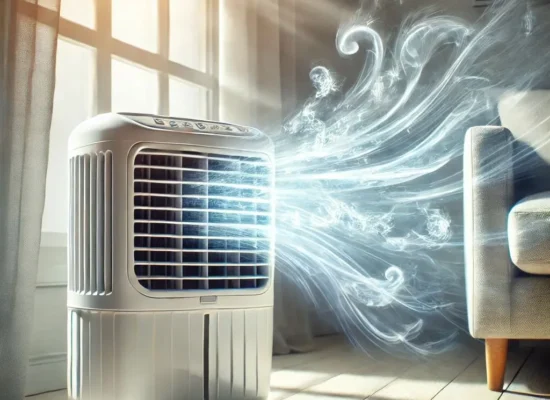
An air cooler uses evaporative cooling. A pump circulates water to wet the cooling pads, and the fan moves air through the cooling media. Evaporation removes heat from the passing air, allowing the cooler to deliver a cooling effect.
When the pads are not adequately wet, airflow is restricted, water circulation is impaired or humidity is high, cooling performance may decrease. A motor, pump or other component fault can also affect operation.
Orient Electric explains these basic operating principles in its air-cooler troubleshooting guide.
Common Causes of an Orient Electric Air Cooler Blowing Warm Air
1. Insufficient Water in the Tank
The cooling system needs an adequate water supply to keep the cooling pads wet. If the water level is below the level recommended for your model, the pads may not receive enough water for effective evaporation.
What you can safely check:
- Look at the visible water-level indicator, if your model has one.
- Check whether the tank needs refilling.
- Fill it only to the level specified in the user manual.
- Observe whether cooling improves during normal operation, provided there are no signs of a fault.
If the water level appears adequate but the pads are not becoming wet as expected, a water-circulation problem may be present.
2. Dirty, Clogged or Damaged Cooling Pads
Cooling pads provide the surface through which water evaporates as air passes through the cooler. Dust, mineral deposits or deterioration can affect airflow and cooling performance.
Possible signs include:
- Visible dust or mineral deposits.
- Airflow that seems weaker than usual.
- Uneven wetting of accessible pads.
- Persistent unpleasant odours.
- Cooling that has gradually deteriorated.
Switch the cooler off and disconnect it from power before performing any permitted routine cleaning. Clean accessible or removable pads only as instructed in the model’s manual. Some designs require different handling, and not every pad can be cleaned or removed in the same way.
If the pads are damaged or remain clogged after appropriate maintenance, their condition may need professional assessment.
For broader cleaning guidance, see the Orient Electric air-cooler maintenance guide.
3. Water Is Not Circulating Properly
A cooler may have enough water in its tank but still provide weak cooling if water is not reaching the cooling pads as intended.
Possible causes include a pump problem, an obstruction in the water-distribution system or another internal fault. These are possibilities, not a confirmed diagnosis.
Safe preliminary checks:
- Confirm that the water level is adequate.
- Observe the pads from an accessible position, if your model allows this without removing covers or exposing internal components.
- Look for visible signs of uneven wetting or water leakage.
Do not open the electrical compartment, dismantle the pump, handle internal wiring or attempt to repair the pump while the appliance is connected to power. If water circulation appears abnormal, arrange a technical inspection.
4. Restricted Airflow
Even when the water system is functioning, restricted airflow can reduce the amount of air passing through the cooling media and into the room.
Check for:
- Objects blocking the air outlet.
- Heavy dust on accessible external grilles.
- A placement that obstructs the air inlet.
- Curtains or other objects interfering with airflow.
Switch off and unplug the cooler before cleaning accessible external surfaces. Do not reach into moving parts or open internal assemblies.
If airflow remains weak after routine external cleaning, a fan or other internal component may require inspection.
5. Poor Ventilation or High Humidity
Evaporative coolers generally work more effectively when the surrounding air can absorb additional moisture. When humidity is high, evaporation becomes less effective and the room may feel damp or uncomfortable.
A closed room can make this problem worse because moisture accumulates as the cooler operates.
What to try:
- Provide suitable fresh-air circulation.
- Keep an appropriate window or door open when conditions permit.
- Avoid blocking the cooler’s air intake.
- Consider whether humid outdoor conditions are limiting cooling performance.
Ventilation cannot repair a failed pump or damaged component, but it can improve comfort when the problem is related to room conditions.
Orient Electric discusses these operating conditions in its guide to using an air cooler.
6. A Pump, Fan Motor or Other Technical Fault
If routine checks do not explain the problem, an internal component may be malfunctioning.
The following distinctions can help you describe the symptom to a technician:
Observed symptom | Possible explanation |
Fan runs, but cooling is weak | Poor pad wetting, dirty pads, restricted airflow or high humidity |
Tank contains water, but pads do not appear to get wet | Water-circulation problem or another fault |
Airflow is unusually weak | Obstruction or a possible fan-related problem |
Cooler does not start at all | Power-supply issue or an internal electrical fault |
Water leaks while the cooler operates | Overfilling or a possible water-system problem |
Burning smell, visible electrical damage or abnormal electrical behaviour | Potentially unsafe fault requiring attention |
These are diagnostic clues, not definitive diagnoses. Different models can have different designs and components.
Do not attempt to repair internal wiring, capacitors, motors or pump assemblies without the appropriate training and equipment.
How to Troubleshoot an Orient Electric Air Cooler Safely
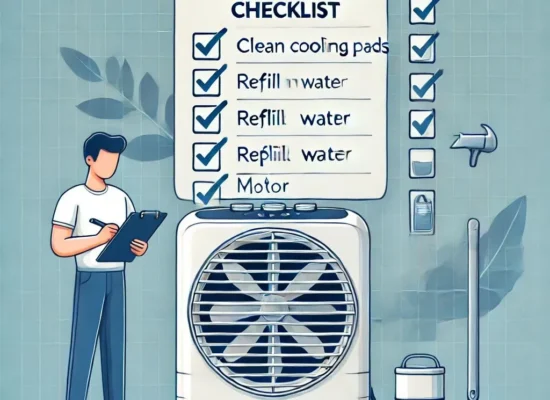
Follow this sequence before arranging a repair.
Step 1: Identify the Exact Symptom
Determine whether the cooler is:
- Running normally but delivering warm air.
- Producing weaker airflow than usual.
- Blowing air while the pads remain apparently dry.
- Failing to start.
- Leaking water or making unusual noises.
This distinction helps separate a cooling-performance issue from a no-start, water-system or mechanical problem.
Step 2: Check the Water Level
Check the visible water level and refill the tank if necessary, following the manufacturer’s instructions. Do not exceed the recommended level.
Step 3: Inspect Accessible Cooling Pads
Switch off and unplug the appliance. Look for visible dirt or deposits and clean the pads only if your model’s instructions permit it.
Do not dismantle the cooler merely to inspect an internal component.
Step 4: Check External Airflow
Make sure that the accessible air inlet and outlet are not blocked. Clean accessible external surfaces according to the manual.
Step 5: Improve Ventilation
Provide suitable air exchange in the room and consider whether high humidity could be limiting evaporative cooling.
Step 6: Reassess the Symptom
If the cooler operates normally and no safety concern is present, assess whether these routine checks have improved cooling.
If the problem persists, avoid repeatedly trying speculative fixes. Arrange an inspection so the actual cause can be identified.
Safety note: If you notice a burning smell, exposed or damaged wiring, water reaching electrical components, or repeated electrical tripping, stop using the cooler. Disconnect it only if doing so is safe, and seek appropriate professional assistance.
Why Is My Air Cooler Still Not Cooling After Cleaning?
Cleaning may improve cooling when dirt or deposits are restricting airflow or affecting the cooling pads. It will not necessarily correct every cause of poor cooling.
If cleaning makes no difference, consider these possibilities:
- The pads are damaged or are not becoming adequately wet.
- Water is not circulating properly.
- Airflow remains restricted.
- Room humidity is limiting evaporation.
- A pump, motor or other component has developed a fault.
Do not replace parts simply because the cooler is not cooling. Confirm the cause and check the model’s parts requirements before authorising a replacement.
When Should You Arrange Air Cooler Repair?
Professional inspection is appropriate when:
- The cooler still blows warm air after safe routine checks.
- The cooling pads are not receiving water despite an adequate tank level.
- Airflow remains unusually weak.
- Water leakage continues.
- The cooler produces persistent abnormal noise.
- The appliance stops working or operates erratically.
- An internal component appears to have failed.
For water leakage specifically, refer to the Orient Electric air-cooler leakage guide.
If the cooler will not start, the issue is different from a cooler that runs but delivers warm air. See the Orient Electric air-cooler no-start guide.
Before seeking service, note the cooler’s model number, the symptoms, when the problem began and which safe checks you have already performed. This information can help the person inspecting the appliance understand the issue.
Frequently Asked Questions
Why is my Orient Electric air cooler running but not cooling?
Possible causes include insufficient water, dirty or damaged cooling pads, poor water circulation, restricted airflow or high humidity. A technical fault is also possible. Start with safe, model-appropriate checks rather than assuming a particular component has failed.
Why are the cooling pads not getting wet?
An inadequate water level or a water-circulation problem may explain why the pads are not becoming wet. Check the visible water level first. If the problem continues, have the water-distribution system inspected rather than dismantling the pump.
Can dirty cooling pads cause warm air?
Yes. Dirt and mineral deposits can restrict airflow or affect pad performance. Cleaning may help if the pads are suitable for cleaning and the manufacturer’s instructions permit it. Damaged pads or other faults may need further attention.
Does high humidity affect air-cooler performance?
Yes. Evaporative cooling is generally less effective when the surrounding air already contains substantial moisture. Suitable ventilation can help manage indoor humidity and improve comfort, but it cannot correct a mechanical fault.
Should I replace the pump if the cooler is not cooling?
Not automatically. Poor cooling can have several causes. A pump fault is only one possibility, and replacement should follow an appropriate diagnosis and confirmation of compatibility with the model.
Can I repair the motor or wiring at home?
Internal electrical repairs should be left to appropriately qualified personnel. Do not handle exposed wiring, capacitors, motors or electrical connections as part of routine DIY troubleshooting.
What should I do if my air cooler is not cooling after cleaning?
Check the water level, accessible pads, external airflow and room ventilation. If the problem remains, arrange a technical inspection to identify the underlying cause.
Where can I request air-cooler repair?
Aircooler Clinic provides doorstep air-cooler services as a unit of FIXNEARME. You can use the Complaint Booking page to enquire about service availability for your location.
Conclusion
An Orient Electric air cooler that blows warm air may need nothing more than routine maintenance, but poor cooling can also indicate a water-circulation problem, restricted airflow, high humidity or an internal fault.
Begin with the water level, accessible cooling pads, external airflow and room ventilation. Follow the manual for your particular model and avoid electrical or mechanical repairs that require specialist expertise.
If these checks do not resolve the issue, arrange an appropriate inspection rather than replacing components without a confirmed diagnosis.
About Aircooler Clinic: Aircooler Clinic is a unit of FIXNEARME providing doorstep air-cooler services in Hyderabad and applicable service areas. Aircooler Clinic does not operate a separate physical service center. Contact the business through its complaint-booking page to enquire about service availability for your location.