How to Maintain Your Cello Air Cooler for Long-Lasting Performance
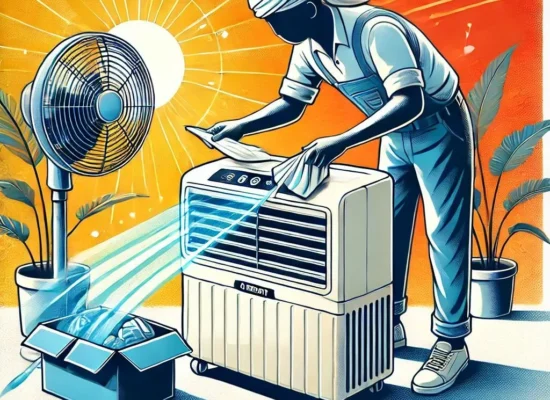
Regular maintenance helps keep your Cello air cooler clean, supports effective airflow and water circulation, and makes it easier to notice developing problems. The most useful routine includes cleaning the water tank, caring for the cooling pads, keeping air passages clear, checking for leaks and storing the appliance correctly when it is not in use.
The exact cleaning procedure and maintenance schedule depend on your Cello air cooler model, its usage and the surrounding environment. Always follow the instructions provided for your particular model, and disconnect the power before carrying out permitted cleaning.
Why Is Regular Cello Air Cooler Maintenance Important?
An air cooler relies on airflow and water evaporation to provide cooling. Dust, mineral deposits, stagnant water, restricted air passages or worn components can interfere with normal operation.
Regular maintenance helps you:
- Keep the water tank and accessible surfaces clean.
- Reduce the accumulation of sediment and debris.
- Maintain clear airflow through the cooler.
- Notice damaged cooling pads or visible water leakage.
- Identify problems before they become more difficult to diagnose.
- Prepare the appliance for storage when the cooling season ends.
Maintenance cannot prevent every breakdown or guarantee a particular lifespan, but it helps you monitor the condition of the appliance.
1. Clean the Water Tank Regularly
The water tank can accumulate sediment and other debris, particularly when water remains in the cooler for extended periods.
To maintain the tank safely:
- Switch off the cooler and disconnect it from the electrical supply.
- Allow the appliance to stop completely before cleaning.
- Drain the remaining water using the designated drain arrangement described in your model’s manual.
- Clean accessible tank surfaces using the method and materials permitted by the manufacturer.
- Rinse as instructed, remove loose debris and ensure the drain plug is correctly secured.
- Refill with clean water when you are ready to use the cooler again.
Do not use harsh chemicals or cleaning agents unless the manufacturer specifically permits them. Avoid splashing water onto electrical components, controls or the motor.
The Cello air-cooler user manual recommends regular tank cleaning to reduce sediment and foreign-material accumulation for the models covered by that document. Use your own model’s instructions if its maintenance requirements differ.
2. Inspect and Clean the Cooling Pads
Cooling pads allow water to evaporate as air passes through them. Dust, mineral deposits and deterioration can affect their performance.
Follow these precautions:
- Switch off and unplug the cooler before permitted cleaning.
- Inspect accessible pads for visible dirt, damage, sagging or deterioration.
- Clean the pads only according to the instructions for your model.
- Use the recommended water pressure and cleaning materials.
- Allow components to drain or dry as directed before reassembly.
- Replace damaged or deteriorated pads with compatible parts when necessary.
Do not assume that every Cello cooler has the same removable-pad design. Avoid removing panels or opening the appliance unless the manufacturer explicitly permits the procedure for the user.
If the pads remain heavily soiled, are damaged or cannot be accessed safely, arrange an appropriate service inspection.
3. Keep Air Inlets, Outlets and Accessible Surfaces Clean
Dust around the air inlet, outlet and exterior can restrict airflow or accumulate on accessible surfaces.
With the cooler switched off and unplugged:
- Wipe the exterior with a soft, slightly damp cloth.
- Remove loose dust from accessible vents using an appropriate soft cleaning tool.
- Keep furniture, curtains and other objects from obstructing the airflow.
- Check for visible dust accumulation around accessible air passages.
- Allow cleaned surfaces to dry before reconnecting the appliance.
Do not insert tools into openings or attempt to clean internal fan or motor assemblies. If internal parts require cleaning, seek professional assistance.
4. Use Clean Water and Monitor the Water Level
Clean water and appropriate water levels support normal operation.
- Use water suitable for the appliance and follow the manufacturer’s instructions.
- Check the water level before operation.
- Do not exceed the marked maximum level, where one is provided.
- Avoid allowing the tank to remain filled with stagnant water during extended periods of non-use.
- Check for visible leakage around the tank and drain arrangement.
- If the cooling pads are not receiving water despite a sufficient tank level, stop and investigate only the permitted external checks.
Mineral buildup can depend on local water quality. If deposits recur, follow the manufacturer’s recommendations for cleaning rather than introducing unapproved chemicals or additives.
Adding ice is not a substitute for cleaning, adequate water circulation or appropriate ventilation. Use an ice compartment or ice feature only if your particular model is designed for it and the manual permits it.
5. Maintain Proper Room Ventilation
Evaporative air coolers work by using water evaporation. Their cooling effect is generally reduced when the surrounding air is already humid.
For better operating conditions:
- Provide an appropriate supply of fresh air.
- Keep the cooler’s air inlet and outlet unobstructed.
- Follow the manufacturer’s placement instructions.
- Allow warm, humid air to escape from the room where appropriate.
- Avoid treating weak cooling as proof that a component has failed.
If cooling remains poor despite suitable ventilation, clean accessible parts according to the manual and check the water level. For additional troubleshooting, read Why Is Your Cello Air Cooler Not Cooling Properly?.
6. Check for Water Leakage and Unusual Changes
Routine visual checks can help you notice problems early.
Look for:
- Water collecting around the appliance.
- A visibly displaced drain plug.
- Cracks or damage that can be seen without dismantling the cooler.
- Cooling pads that appear damaged or out of position.
- Unusual changes in water circulation.
- New or persistent noise, vibration or reduced airflow.
Do not open the cooler to inspect an internal pump, motor, wiring or electrical connection. If water is reaching electrical areas, stop using the appliance and disconnect power when it is safe to do so.
For persistent leakage, consult the dedicated Cello air cooler water-leakage guide.
7. Do Not Lubricate or Repair Internal Components Without Model-Specific Instructions
Not every air cooler requires the same internal maintenance. Motor lubrication, pump servicing and access to moving components depend on the appliance design and manufacturer instructions.
Do not lubricate the motor, dismantle the fan assembly, replace internal electrical parts or attempt wiring repairs based on generic online advice.
Stop using the cooler and arrange professional inspection if you notice:
- An electric shock or sparking.
- Smoke or a burning smell.
- A damaged power cord.
- Repeated electrical shutdowns.
- A fan that does not start or operates abnormally.
- Severe or persistent mechanical noise.
- A pump or water-circulation problem that cannot be resolved through normal operating checks.
The Cello manual referenced above instructs users to disconnect power before maintenance and advises customers not to open the cooler. It also directs users to a service provider for certain electrical and mechanical faults.
8. Prepare Your Cello Air Cooler for Off-Season Storage
When the cooler will not be used for an extended period, prepare it according to the manufacturer’s storage instructions.
A general preparation checklist is:
- Switch off and unplug the appliance.
- Drain the remaining water using the designated drain arrangement.
- Clean the tank and accessible surfaces using approved methods.
- Clean the cooling pads as directed for the model.
- Allow components to drain or dry as instructed.
- Check that accessible parts are clean and that there is no obvious damage.
- Store the appliance in a suitable, dry location, protected from conditions that could damage it.
Do not store the cooler with stagnant water left in the tank. Avoid dismantling the appliance merely to speed up drying.
Before using the cooler again, inspect the power cord and exterior for visible damage, check the drain arrangement, refill as directed and confirm that normal operation can be selected safely.
9. When Should You Arrange Professional Maintenance?
Routine cleaning is different from repairing internal components.
Professional inspection may be appropriate when:
- Cleaning does not improve cooling or airflow.
- Water does not circulate as expected.
- Leakage continues after permitted external checks.
- The fan, pump or motor behaves abnormally.
- The cooler repeatedly stops during operation.
- Electrical symptoms or significant mechanical noise occur.
- A component needs replacement or the appliance must be opened.
A symptom alone does not establish which component has failed. A proper inspection is needed before deciding whether cleaning, repair or replacement is appropriate.
For further guidance, see the signs that your Cello air cooler needs professional service.
Frequently Asked Questions
How often should I clean my Cello air cooler?
The appropriate schedule depends on your model, usage and environment. Follow the maintenance intervals specified in your model’s manual. Inspect the tank and accessible surfaces regularly, and clean them when needed according to the manufacturer’s instructions.
What is the safest way to clean a Cello air cooler?
Switch off and unplug the appliance first. Clean only accessible components using the approved method for your model. Avoid electrical components, internal wiring and dismantling unless the manufacturer explicitly permits a procedure for the user.
How do I maintain the cooling pads?
Inspect the pads periodically and clean them according to the model-specific instructions. Use only compatible replacement pads if the originals become damaged or deteriorated.
Can I use any detergent or chemical to clean the water tank?
No. Do not assume that every household cleaner is suitable. Use only cleaning materials permitted by the manufacturer to avoid damaging the tank, pads or other components.
Should I lubricate the motor regularly?
Only if the instructions for your specific model require it and describe an appropriate user procedure. Do not open the cooler or lubricate internal parts based on generic advice.
Why does my Cello air cooler smell unpleasant?
Stagnant water, accumulated debris or contamination may contribute to an unpleasant smell. Disconnect power before permitted cleaning, drain and clean the tank according to the manual, and inspect accessible components. If the smell persists or is accompanied by a burning odour or electrical symptoms, stop using the appliance and seek professional assistance.
Does ventilation affect air cooler performance?
Yes. Evaporative cooling is generally less effective in humid conditions. Appropriate room ventilation and unobstructed airflow help the cooler operate under suitable conditions.
What should I do if my Cello air cooler gives an electric shock?
Stop using the appliance immediately. Disconnect power only if it is safe to do so, and do not touch wet or damaged electrical components. Do not open the cooler or attempt electrical repairs. Arrange appropriate professional assistance.
Where can I get help with a Cello air cooler in Hyderabad?
Aircooler Clinic is a unit of FIXNEARME providing doorstep air cooler repair and maintenance services in Hyderabad and applicable service areas. Availability should be confirmed for your location. Contact the business to discuss the symptoms and the service required.
Conclusion
Maintaining your Cello air cooler starts with clean water, a clean tank, properly maintained cooling pads, unobstructed airflow and appropriate storage when the appliance is not in use.
Follow the instructions for your exact model rather than relying on a universal cleaning schedule or generic internal repair advice. Disconnect power before permitted maintenance, avoid opening the appliance, and seek professional assistance for persistent faults or electrical and mechanical warning signs.
Need air cooler repair or maintenance assistance in Hyderabad?
Aircooler Clinic, a unit of FIXNEARME, provides doorstep service in Hyderabad and applicable service areas. Confirm availability for your location before booking.
- Phone: 79971 00067
- Email: aircoolerclinic@gmail.com
Aircooler Clinic does not operate a separate physical service center.